June, 2026
If you’re buying, selling, or registering a vehicle in Ontario, you’ve likely heard that the vehicle safety certification process has changed. What many drivers don’t realize is that Ontario has transitioned from the traditional paper-based Motor Vehicle Inspection Station (MVIS) program to the new digital DriveON system. This change has created new requirements for repair shops, new procedures for inspections, and, in many cases, longer processing times for vehicle owners.
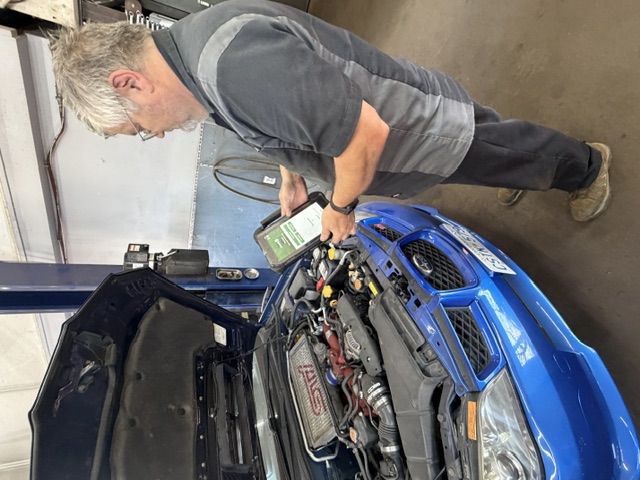
The new DriveON program is a digital inspection platform that has replaced Ontario’s previous paper-based inspection system. Authorized inspection facilities must now use specialized equipment, digital tablets, and online reporting systems to complete and submit inspections. Inspection results are uploaded electronically and reviewed through the DriveON system before the certification process is finalized.
Many motorists are surprised to learn that receiving a Safety Standards Certificate is no longer an immediate process. While the physical inspection may be completed the same day, paperwork and processing can take additional time. Depending on system requirements and review timelines, it may take up to 48 to 72 hours before all documentation is processed and available for vehicle registration purposes.
One of the biggest changes under the new DriveON program is the amount of documentation that must be collected during the inspection. Technicians are required to capture and upload multiple photographs directly into the system, including the Vehicle Identification Number (VIN), licence plate, odometer reading, dashboard warning lights, and various views of the vehicle. Measurements and inspection findings must also be entered electronically. This information becomes part of the vehicle’s digital inspection record and helps ensure inspections are completed according to provincial standards.
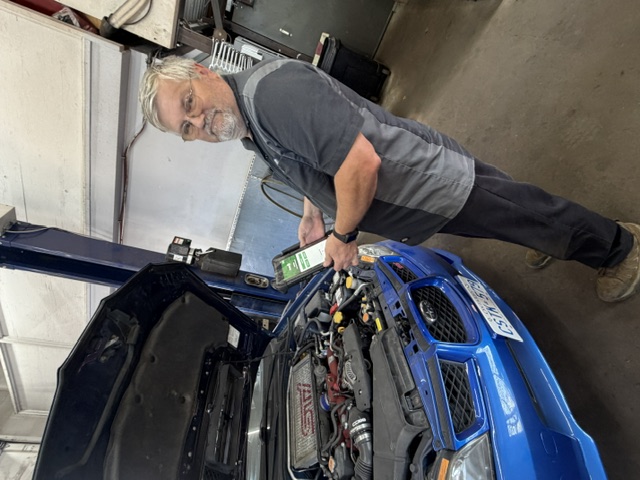
The transition has required significant investments by automotive repair facilities. Shops wishing to perform safety inspections must become authorized Vehicle Inspection Centres and purchase approved equipment, including inspection tablets, cameras, software, and digital reporting systems. Technicians must complete training and follow strict inspection procedures established by the province.
Unlike the old process, inspections are no longer completed with a simple paper form. The inspection must be started online through the DriveON system before work begins. During the inspection, additional verification may be required, including photographs of vehicle components, VIN verification, licence plate information, and other safety-related items. All required information must be submitted electronically before a Safety Standards Certificate can be issued.
With these new requirements comes additional operating costs for inspection facilities. Equipment purchases, training, software subscriptions, licensing fees, and administrative requirements have increased the cost of providing certified inspections. For this reason, vehicle owners should be cautious when shopping solely based on price. A properly completed safety inspection requires time, specialized equipment, and strict adherence to provincial regulations.
It is important to choose an authorized inspection facility that follows Ontario’s requirements. A reputable inspection shop will take the time to complete the inspection properly, document all required information, and ensure the vehicle meets the province’s safety standards.
So, what can cause a vehicle to fail a safety inspection?
Some of the most common issues include:
• Inoperative headlights, brake lights, turn signals, or other lighting components
• Tires with insufficient tread depth, uneven wear, or visible damage
• Doors, windows, or latches that do not open, close, or operate properly
• Heating and defrosting systems that are not functioning correctly
• Airbag warning lights or other safety system faults
• Worn, damaged, or unsafe suspension components
• Major oil leaks
• Fuel, coolant, brake fluid, power steering fluid, or other visible leaks
• Steering or brake system deficiencies
• Structural or safety-related damage affecting vehicle operation
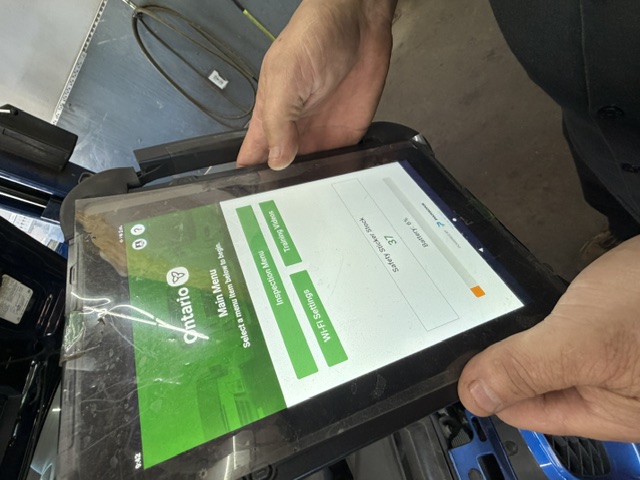
While the safety requirements themselves have not changed significantly, the inspection process has become much more detailed. The days of simply filling out a paper certificate are gone. Today’s inspections require digital documentation, photographs, measurements, and electronic submission through Ontario’s DriveON system before the certification process can be completed.
At Ripley’s Auto, we understand that the new inspection process can be confusing. As an authorized Motor Vehicle Inspection Station, we have invested in the equipment, training, and technology required to meet Ontario’s current standards. Our experienced technicians use approved DriveON technology to complete inspections accurately, efficiently, and in compliance with provincial regulations.
If you need a vehicle safety inspection, have questions about the certification process, or would like a pre-inspection assessment before purchasing or selling a vehicle, contact Ripley’s Auto today.
Ripley’s Auto
29 King Street, South, Alliston, Ontario
705-434-1061
Trust your vehicle inspection to an authorized facility that understands the new requirements and is committed to keeping Ontario drivers safe on the road.